customs clearance
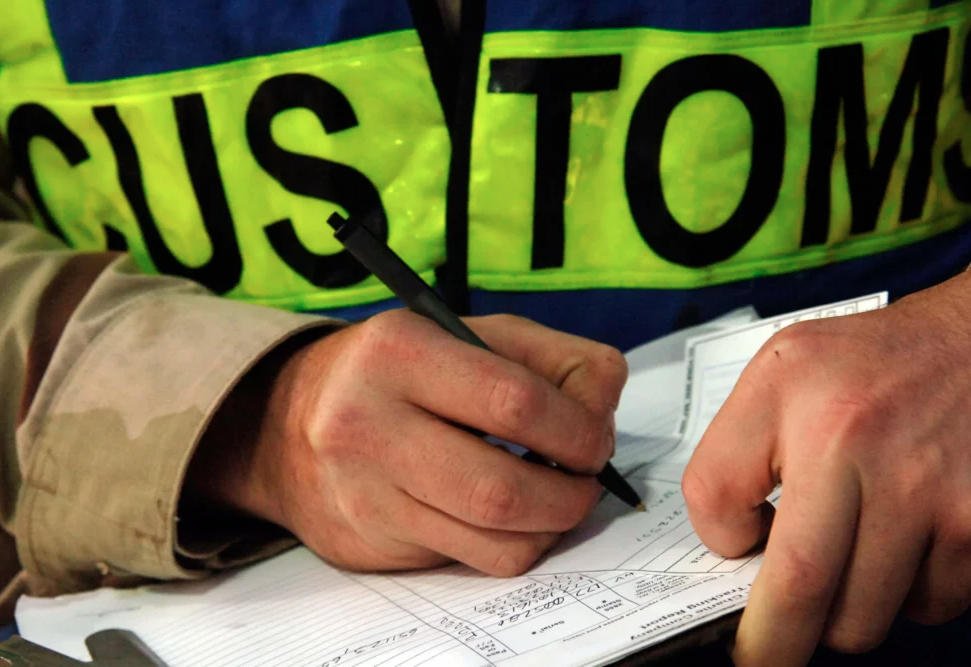
Customs clearance is one of the most critical steps in international trade. It involves the entire process, from legal declaration to customs clearance and the completion of various formalities, to the successful release of goods. This process encompasses not only basic procedures such as declaration, inspection, and taxation, but also involves coordination and collaboration with multiple departments, including customs, commodity inspection, and ports.
In this article, we will delve into the customs clearance process. Whether you’re new to international trade or an experienced shipper, this guide will help you make informed decisions and ensure your goods arrive safely and on time at their destination.

Table of Contents
What is Customs Clearance?
Customs clearance refers to the legal process by which imported and exported goods must be declared to customs, complete relevant formalities, and pay customs duties, value-added tax, or other taxes and fees when passing through customs-controlled areas. Only after customs clearance can the goods officially enter or leave the country.
The main purposes of customs clearance are:
- Verify that the goods match the declaration
- Ensure that all relevant duties, taxes, and levies have been paid
- Release the goods for transportation to their final destination
The Importance of Customs Clearance Services
- Ensure legal compliance: Prevent goods from being detained due to incomplete documentation or incorrect declarations.
- Speed up shipping: A professional customs clearance team can shorten customs clearance times.
- Save costs: Avoid high demurrage, storage fees, and fines.
- Maintain business reputation: Operating in compliance with regulations contributes to the long-term and stable development of your business.
- Reduce risks: Reduce risks and disputes through professional team review of documentation and the HS Code.
Basic Steps in Customs Clearance
Ensuring a smooth customs clearance process requires advance preparation, careful planning, and strict adherence to relevant regulations. Understanding the customs clearance process is crucial for timely delivery and avoiding unexpected costs.
Submitting Cargo Information
The first step in customs clearance is preparing and submitting the necessary cargo information. You will need to provide the customs clearance agent or customs office with detailed information about your cargo, ensuring that all documentation is complete and accurate.
Preparing Customs Clearance Documents
Preparing customs clearance documents is the most critical part of the customs clearance process. In addition to the basic cargo manifest and invoice, many countries require special certificates and supporting documentation for imported goods.
Declaring to Customs
Once all customs clearance documents are complete, the next step is submitting a customs declaration. The customs clearance team will typically work with customs to ensure that each declaration complies with the regulations of the destination country.
Customs Review and Inspection
Customs will review all submitted declarations. If the goods and documents meet the requirements, customs will approve customs clearance and notify the goods to be released.
Paying Duties and Taxes
The customs broker or importer will calculate all applicable duties, taxes, and other fees based on the customs value of the goods. These calculations are based on the goods’ HS code, value, and country of origin.
Customs Clearance
Once duties and taxes are paid, customs will approve the goods’ release, allowing them to continue on to their destination.
Documents for Customs Clearance
Customs documents refer to the various supporting documents required for import and export goods when they pass through customs. Customs requirements vary by country and region. These documents are used to verify the legality of goods, confirm information such as the value, quantity, and origin of the goods, and calculate the duties and taxes payable.
- Invoice: The invoice for goods is one of the most basic customs documents. It lists the details of the transaction, including the description, quantity, unit price, and total value of the goods.
- Packing List: The packing list lists the packaging details of the goods, including the contents, quantity, dimensions, and weight of each box.
- Customs Declaration Form: This is the official form submitted to customs authorities to declare the details of the goods. The declaration form contains the HS code for the classification of the goods and the declared value. Accurate declaration information is crucial to avoid fines or delays.
- Bill of Lading: The bill of lading is a shipping document for ocean freight, certifying that the goods have been received by the shipping company and will be transported to the destination as contracted.
- Certificate of Origin: This document certifies the location of production or manufacturing of goods and is particularly important when seeking tariff reductions or preferential policies.
- Import/Export License: This document is required for certain commodities, such as food, pharmaceuticals, and hazardous materials. It ensures that goods meet the safety, environmental, and quality requirements of the target market.
Customs Clearance Fees and Charges
Customs clearance is an essential component of cross-border shipping. Understanding the composition of customs clearance fees and the various rates can help you better plan your budget. Customs clearance fees typically include multiple items, and the rates for each fee may vary depending on factors such as the country, type of goods, and value of the goods:
Customs Duty
Customs Duty is a government-imposed tax on imported and exported goods. It is typically calculated based on the declared value, weight, or quantity of goods, and the rate varies for different goods. Customs is typically set based on the goods’ HS code (customs code). Duty rates vary by country and region, so calculations must be tailored to the specific regulations of the destination country.
Value Added Tax (VAT)
Value Added Tax (VAT) is a tax levied on the sales price of goods and is typically paid by the importer at the time of customs clearance. VAT rates vary by country and region, typically ranging from 5% to 25%. In most cases, VAT is calculated based on the declared value of the goods and the total amount of customs duties.
Customs Clearance Agency Fees
Professional customs clearance agencies typically handle the entire customs clearance process on behalf of their clients. The agency’s fees typically depend on the complexity of the shipment, the customs regulations of the destination country, and the agency’s own service fee structure.
Document Fees
Document fees are fees associated with the various documents and certificates required for customs clearance. Examples include import and export licenses, health certificates, and certificates of origin.


Highlights of Our Customs Clearance Services
As a professional freight forwarding company, our customs clearance services go beyond simple customs clearance. They encompass a comprehensive range of services, from document preparation and declaration to follow-up solutions.
Efficient Customs Clearance Process
Our customs clearance experts are familiar with the customs requirements of major ports and airports worldwide. They can provide the most appropriate customs clearance solutions for imports and exports in various countries and regions, handling all relevant formalities in the shortest possible time, ensuring swift customs clearance for your shipments.
Comprehensive Document Processing and Declaration Support
Our services cover the entire process, from document preparation to declaration, ensuring all required information is complete and complies with local customs regulations.
Extensive Global Customs Clearance Network
We maintain close partnerships with customs authorities in numerous countries and regions, enabling us to provide customs clearance services for your shipments, whether they are destined for the United States, Europe, or Africa. Our network covers the world’s major trade markets, helping you connect with global trade channels.
Safety and Compliance Assurance
For special shipments such as dangerous goods and perishables, we provide professional customs clearance solutions and security measures to ensure safe and compliant customs clearance.
Personalized Customer Service
We provide each client with a dedicated account manager. You can communicate directly with customs clearance experts to stay informed of customs clearance progress and ensure optimal logistics and customs clearance routing.
Transparent Fee Structure
We provide a clear fee structure so that clients can clearly understand all costs before selecting our service. We guarantee no hidden charges, ensuring a clear budget and avoiding unnecessary expenses.
Frequently Asked Questions (FAQs)
What if my shipment is detained by customs?
Don’t worry! Our customs clearance team will promptly contact customs to verify the reason (e.g., incomplete documentation, declaration anomalies, spot checks, etc.). We will then assist you with supplementing the documentation or re-declaring your shipment to ensure expedited clearance.
Are there risks associated with customs clearance?
There are certain risks, such as:
- Fines resulting from discrepancies between declared and actual values
- Delays caused by spot checks
- Temporary policy adjustments in the importing country
Our professional team will proactively assess risks and optimize your declaration plan to minimize them.
How long does customs clearance take?
Typically, customs clearance takes 1–3 business days. There may be slight delays due to inspections or holidays.
Can we offer full DDP service?
Of course! We offer door-to-door DDP (Delivered Duty Paid) customs clearance services, so you only have to wait for your shipment to arrive.
Why Choose CNDDP Shipping?
CNDDP Shipping has handled over 50,000 international shipments, providing sea, air, rail, and DDP shipping solutions from China to destinations worldwide, with 24/7 freight tracking and customer support.
Sophie Miller
Amazon cross-border sellers
Smooth Amazon FBA delivery with complete DDP clearance. Reliable and cost-effective logistics partner.
Ryan Carter
Import trader
Our DDP shipments via CNDDP Shipping are always on schedule. Support is quick and solutions are practical.